Contra Costa Wine History
Contra Costa Vineyards History
How it all started
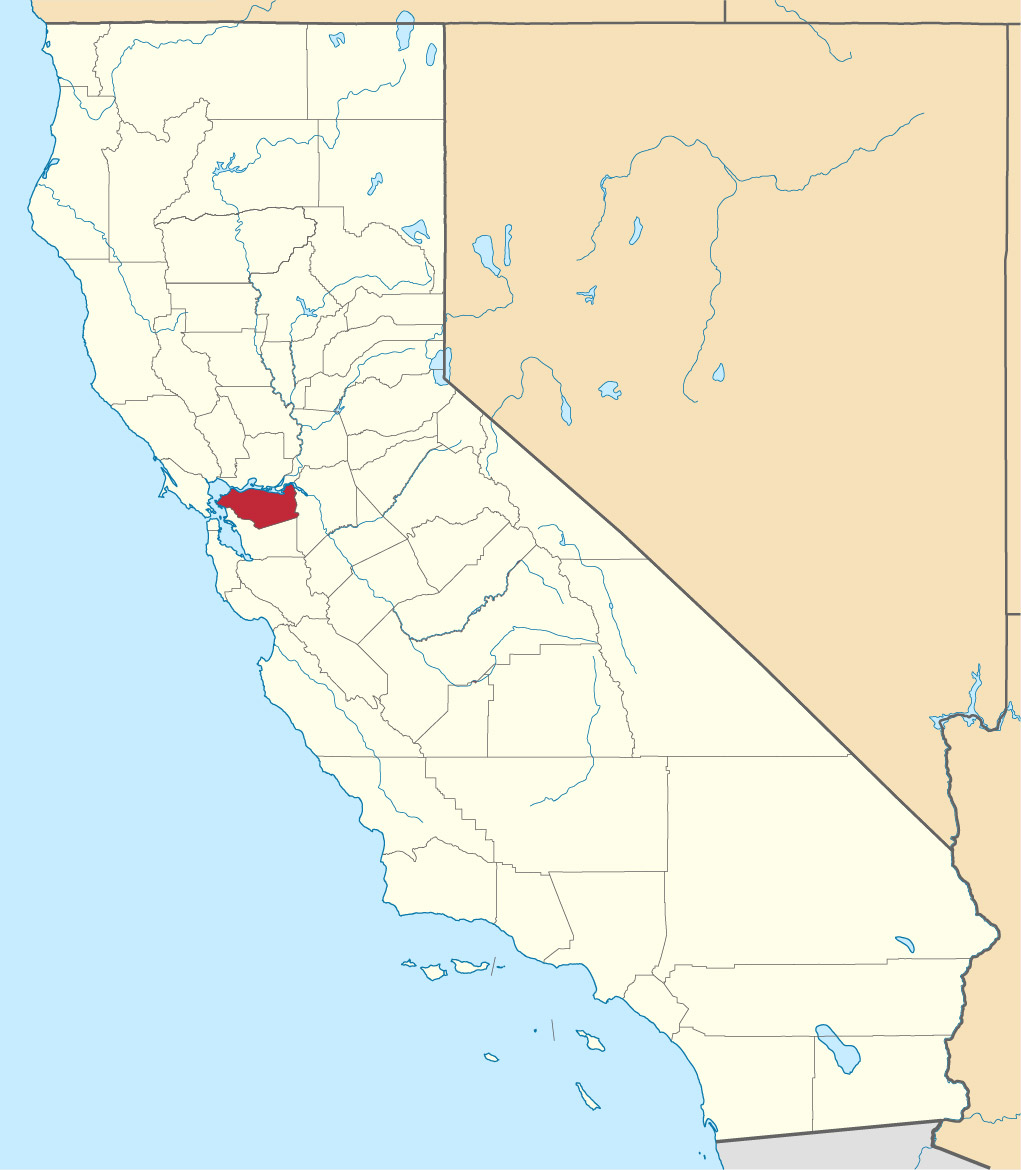
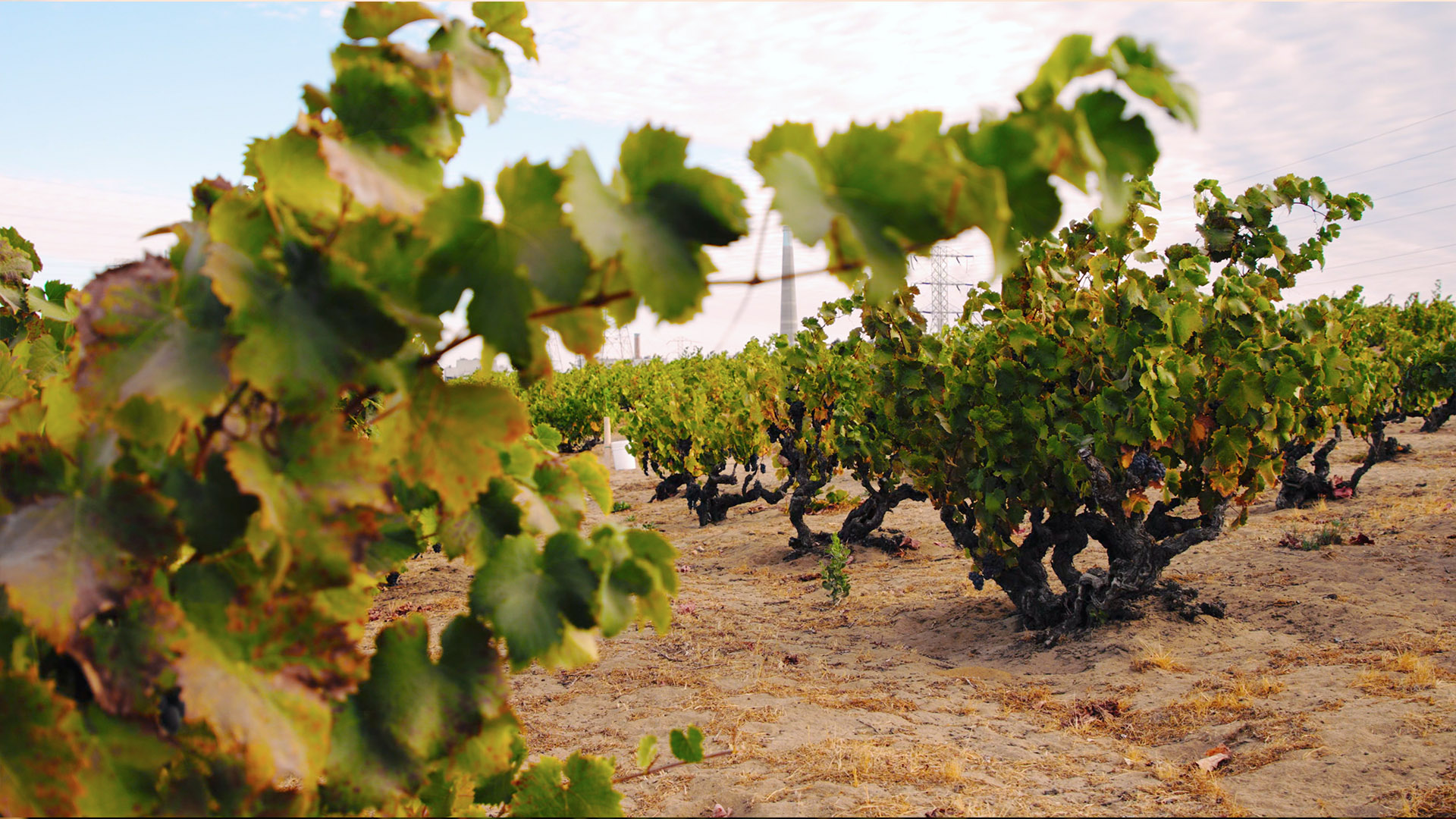
Contra Costa County sits just east of San Francisco Bay and is home to its own official AVA, the Contra Costa AVA. Once a thriving wine growing region, Contra Costa still holds century old plantings of Zinfandel, Mourvedre, and Carignane, producing rustic, earthy, and leathery red wines that reflect the land’s long history.
The county borders both the San Francisco and Suisun Bays, right where the Sacramento Delta begins winding inland toward Lodi. Livermore Valley sits just south, and the county takes its name from the city across the water, “Contra Costa” means “opposite shore” in Spanish.
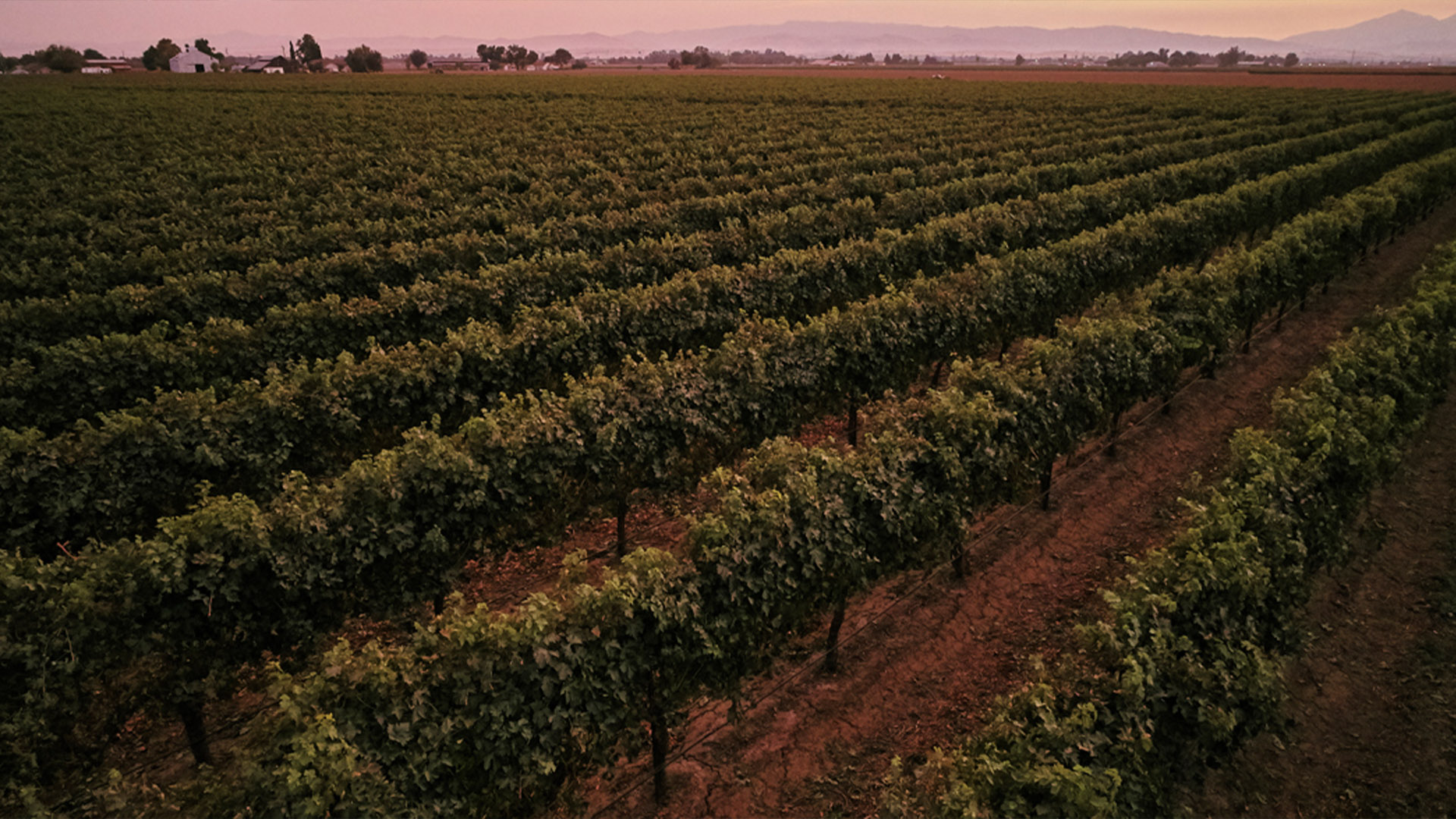
Most vineyards sit in the eastern part of the county, surrounding the towns of Brentwood and Oakley. At the start of the 20th century, Contra Costa County had a significant amount of land under vine. Then Prohibition hit, and growers couldn’t earn enough from their grapes to justify farming such high-quality sites. Many were forced off their land, and cherries and pears replaced the vines. Most growers left for Napa and Sonoma counties, seeking better prospects further from San Francisco. A few hardy souls stayed behind.
Soil and Climate
How it all started
The quality soils of Contra Costa County are the defining feature of its terroir. Gnarled old vines were planted 100 years ago on deep, sandy soils that have restricted yields, particularly as the vines have aged. Deep and free-draining, the sand offers little resistance to wandering root systems, and the lack of water in the ground means that the vines produce small, concentrated berries with thick skins. This in turn leads to wines with firm tannins and excellent structure.
Contra Costa County has a hot climate, although this is moderated by the bays that border the area’s northern side. Cool afternoon breezes from San Francisco and Suisun bays mean that the temperature drops at night, leading to a significant diurnal temperature shift. This cooling-off period means that the growing season is extended and grapes have more time to develop rich, complex flavors that do not come at the expense of acidity.
While urban expansion poses a big threat to vigneron’s in Contra Costa County (as in Santa Clara County in the south), the wines produced here are held in high regard by critics and consumers. Many producers in Napa and Sonoma have sourced fruit from the region, proudly producing wine under the Contra Costa County AVA.
Ancient Vines